
Car Suspension Symptoms
When Comfort and Control Begin to Fade
A car rarely announces suspension problems dramatically at first. Instead, it whispers. The ride feels slightly harsher. Steering feels less precise. Corners require more effort. These subtle changes are often dismissed as road conditions or aging tires, yet they are frequently the earliest car suspension symptoms. In Richmond Hill, where daily driving includes busy intersections, highway merging, and seasonal road wear, suspension health plays a critical role in how confidently and safely a vehicle performs.
What the Suspension System Really Does
The suspension system exists to manage chaos. Every bump, pothole, and uneven surface sends energy upward from the road. The suspension absorbs, distributes, and neutralizes that energy before it reaches the cabin or disrupts vehicle control. Without it, driving would be jarring, unstable, and unsafe.
Beyond comfort, suspension directly influences steering accuracy and braking efficiency. Tires must remain firmly planted on the road for effective control. When suspension components weaken, tire contact becomes inconsistent, reducing grip and increasing stopping distances. In essence, suspension is the invisible system that allows your vehicle to behave predictably under constantly changing conditions.
Early Car Suspension Symptoms Most Drivers Overlook
Suspension problems rarely start with loud noises or obvious failures. More often, the earliest signs appear as subtle shifts in how the car feels. The ride may feel less composed over familiar roads. Small bumps suddenly feel sharper. The vehicle might feel unsettled after dips or speed bumps, taking longer than usual to regain balance.
Steering feedback also changes. The wheel may feel slightly loose or disconnected, requiring more correction to keep the vehicle centered. These changes are gradual, making them easy to ignore, yet they indicate that shocks, struts, or bushings are beginning to lose their effectiveness.
At this stage, repairs are often simpler and less costly. Ignoring these early symptoms allows minor wear to cascade into larger mechanical issues.
Advanced and Severe Car Suspension Symptoms
As suspension wear progresses, symptoms become harder to dismiss. Noises often emerge first. Clunking sounds when driving over bumps or turning corners suggest loose or worn components. Squeaking or creaking can indicate deteriorated bushings that no longer cushion movement properly.
Vehicle behavior becomes noticeably unstable. Excessive body roll during turns creates a top-heavy sensation, especially in SUVs and crossovers. During braking, the front end may dip sharply, a condition known as nose-diving, which reduces control and increases stopping distance.
Tires begin to tell their own story. Uneven wear patterns develop because worn suspension components can no longer keep wheels properly aligned. This not only shortens tire life but further degrades handling, creating a cycle of declining performance and safety.
How Suspension Problems Affect Overall Vehicle Safety
Suspension issues extend far beyond ride discomfort. A compromised suspension reduces traction, especially during sudden maneuvers or emergency braking. Tires that lose consistent contact with the road cannot provide reliable grip, increasing the risk of skidding or loss of control.
Braking efficiency suffers as well. When suspension components fail to stabilize weight transfer, braking forces are unevenly distributed. This leads to longer stopping distances, particularly on wet or icy roads—conditions common in Richmond Hill’s winter months.
Driver fatigue is another overlooked consequence. Constant vibration, harsh impacts, and the need for continuous steering correction strain the driver, reducing reaction time and increasing stress during longer drives.
Why Suspension Issues Worsen Over Time
Suspension components endure constant stress. Every kilometer driven adds wear. Once a component begins to fail, it places additional strain on surrounding parts. A weak shock absorber, for example, accelerates wear on springs, bushings, and tires.
Road conditions amplify this effect. Seasonal freeze-thaw cycles common in Ontario create potholes and uneven pavement that accelerate suspension degradation. Without timely intervention, what begins as mild discomfort can evolve into serious handling and safety concerns.
Professional Diagnosis and Inspection
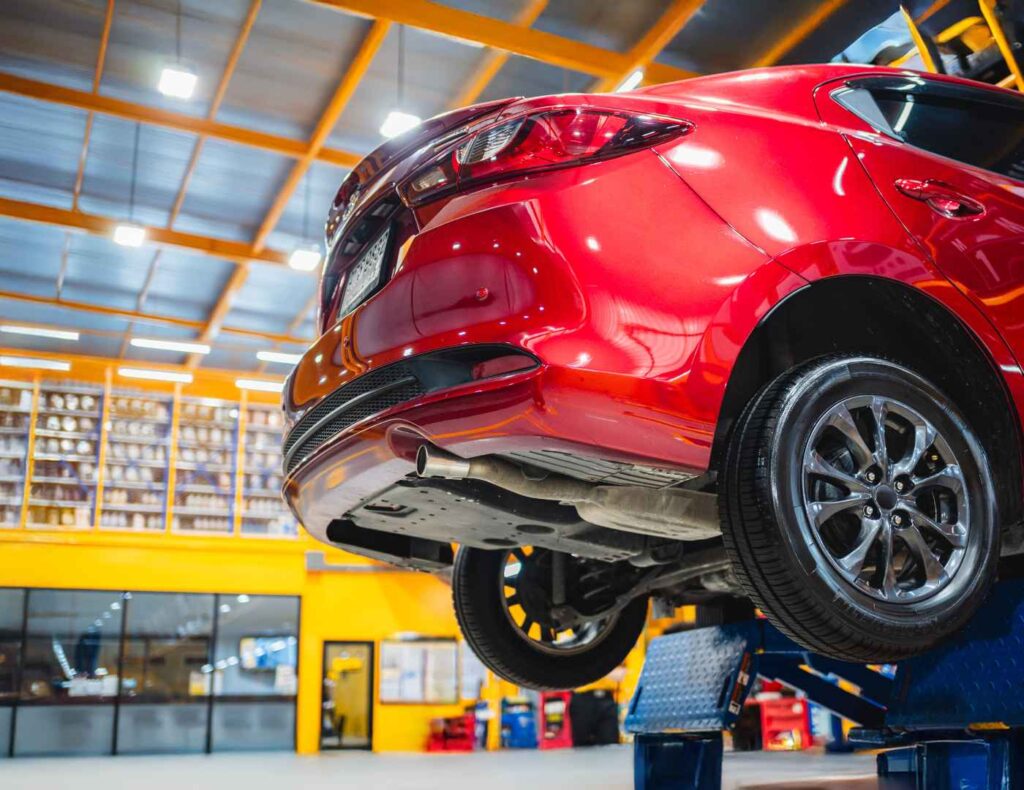
Suspension issues are not always visible during a casual inspection. Professional evaluation involves lifting the vehicle to examine components under load-free conditions, checking for play, leaks, and structural wear. Road tests are equally important, allowing technicians to assess handling behavior, noise patterns, and ride response.
Advanced inspections also include alignment measurements and component stress analysis. This comprehensive approach ensures that not only the symptoms but the underlying causes are addressed, preventing repeat issues.
Maintaining Suspension Health in Richmond Hill’s Driving Conditions
Maintaining suspension health requires awareness and consistency. Regular inspections help detect wear early. Addressing alignment issues promptly reduces stress on suspension and tires alike. Replacing worn components before complete failure preserves vehicle stability and comfort.
Driving habits matter as well. Slowing down over rough roads, avoiding overloading the vehicle, and responding quickly to changes in ride quality all contribute to longer suspension life.
Conclusion: Restoring Ride Quality and Driving Confidence
Car suspension symptoms are never random. They are signals—measured, progressive, and intentional. Each change in ride quality, handling, or noise is the vehicle communicating that its ability to manage the road is diminishing.
Understanding these symptoms empowers drivers to act early. In Richmond Hill, where daily driving demands adaptability and control, a healthy suspension system restores not just comfort, but confidence. Addressing suspension issues promptly ensures your vehicle remains stable, predictable, and safe—exactly as it was engineered to be.