
Cylinder Head Repair in Richmond Hill, ON
Introduction: When Engine Precision Begins to Fail
Modern engines are feats of mechanical precision. Every combustion cycle depends on exact tolerances, sealed chambers, and flawless timing. When that precision is compromised, performance declines swiftly. Cylinder head repair becomes necessary when the engine’s uppermost structure can no longer maintain proper compression, airflow, or thermal balance.
For drivers in Richmond Hill, fluctuating temperatures, extended idling, and stop-and-go traffic place added stress on engine components. When cylinder head issues arise, they rarely remain isolated. Addressing them promptly is essential to prevent cascading engine damage.
Understanding the Cylinder Head and Its Critical Role
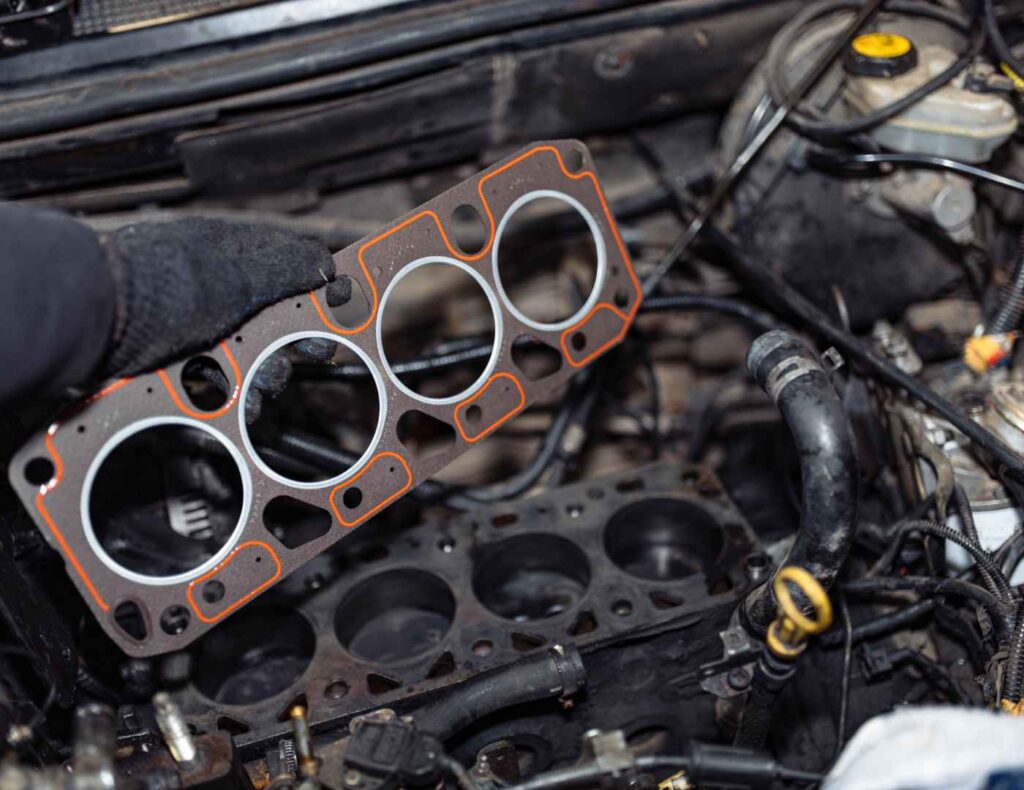
The cylinder head sits atop the engine block, sealing the combustion chambers and housing critical components such as valves, camshafts, and fuel injectors. It governs airflow into the engine and exhaust flow out, orchestrating combustion efficiency with surgical precision.
Beyond airflow management, the cylinder head plays a vital role in heat dissipation. Coolant channels within the head regulate temperature, preventing localized overheating. A failure in this area disrupts combustion stability and places immense strain on surrounding components.
When the cylinder head is compromised, compression escapes, combustion becomes erratic, and engine efficiency collapses. The result is not subtle. Power loss, misfires, and overheating quickly follow.
Common Causes of Cylinder Head Damage
One of the primary causes of cylinder head damage is overheating. When cooling systems fail due to low coolant levels, blocked passages, or malfunctioning thermostats, excessive heat warps the cylinder head. Even slight warping can prevent proper sealing against the engine block.
Prolonged exposure to extreme temperatures also weakens metal integrity. Over time, micro-fractures develop, especially around valve seats and coolant passages. Corrosion further accelerates deterioration, particularly when coolant maintenance is neglected.
Combustion pressure adds another layer of stress. High compression engines operate under immense force. If lubrication falters or detonation occurs, the cylinder head absorbs abnormal shock loads that can lead to cracking or gasket failure.
Symptoms That Indicate You May Need Cylinder Head Repair
Cylinder head problems announce themselves through performance changes long before catastrophic failure occurs. Persistent engine overheating is often the earliest indicator. When temperature gauges climb unpredictably, the cylinder head may already be compromised.
White exhaust smoke is another telling sign. This typically indicates coolant entering the combustion chamber due to a cracked head or failed head gasket. Rough idling, misfires, and reduced engine power further suggest compression loss.
Oil contamination is equally concerning. Milky residue on the oil cap or dipstick signals coolant mixing with oil, a condition that rapidly degrades engine internals. These symptoms demand immediate attention.
Cylinder Head Repair vs Replacement
Not all cylinder head damage necessitates replacement. Minor warping, surface imperfections, and valve seat wear can often be corrected through precision machining and component restoration. Skilled repair restores structural integrity while preserving original engine specifications.
Replacement becomes necessary when cracks extend into critical structural areas or when warping exceeds machinable limits. Severe corrosion or repeated overheating events may also compromise the head beyond repair.
Choosing between repair and replacement depends on damage severity, engine design, and long-term reliability considerations. Proper diagnostics ensure the most effective solution is selected.
The Cylinder Head Repair Process Explained
Cylinder head repair begins with complete disassembly and inspection. The head is removed and examined for cracks, warping, and wear using advanced measuring tools. Pressure testing identifies internal leaks that are invisible to the naked eye.
Machining follows inspection. Surfaces are resurfaced to restore flatness, valve seats are reconditioned, and guides are replaced if worn. In some cases, specialized welding techniques repair cracks before machining restores structural integrity.
Once rebuilt, the cylinder head is reassembled with new seals and precision-adjusted components. Reinstallation includes torque sequencing and timing calibration to ensure flawless integration with the engine block. Final testing verifies compression balance and thermal stability.
Cylinder Head Issues in Richmond Hill Driving Conditions
Richmond Hill’s driving environment introduces unique challenges. Urban congestion leads to prolonged idling, increasing thermal load. Seasonal temperature shifts stress cooling systems, especially during summer heatwaves and winter cold starts.
Road salt and moisture contribute to corrosion, particularly when cooling systems are not serviced regularly. These environmental factors make preventative maintenance essential for preserving cylinder head health.
Preventing Future Cylinder Head Damage
Prevention begins with vigilant cooling system maintenance. Regular coolant flushes, leak inspections, and thermostat checks stabilize engine temperature. Using manufacturer-recommended coolant mixtures prevents corrosion and scale buildup.
Oil quality also matters. Clean, high-quality oil reduces friction and heat accumulation in valve train components housed within the cylinder head. Monitoring warning lights and addressing overheating immediately prevents irreversible damage.
Routine engine inspections identify early warning signs before they escalate. Consistency is key. Engines reward attention with longevity.
Conclusion: Restoring Engine Integrity and Performance
Cylinder head damage strikes at the core of engine functionality. Left unresolved, it compromises power, efficiency, and reliability. Timely cylinder head repair restores compression integrity, stabilizes temperature control, and revives engine performance.
For Richmond Hill drivers, proactive diagnostics and skilled repair prevent minor issues from evolving into major engine failures. When the cylinder head functions as designed, combustion regains its balance. Performance returns. Confidence follows.
A repaired cylinder head is not just fixed—it is recalibrated for endurance, precision, and dependable operation for the miles ahead.