
Winter Tire Storage
Introduction: Why Proper Winter Tire Storage Matters
Winter tires are engineered with specialized rubber compounds designed to remain pliable in cold temperatures. That same softness, however, makes them vulnerable during warmer months if they are not stored correctly. Proper winter tire storage is not merely a matter of convenience or organization. It is a critical step in preserving traction, structural integrity, and long-term performance.
For drivers in Richmond Hill, winter tires endure harsh conditions for months at a time. Once spring arrives, the way those tires are stored determines whether they will perform reliably next winter or deteriorate prematurely. Thoughtful storage safeguards your investment and ensures predictable handling when temperatures drop again.
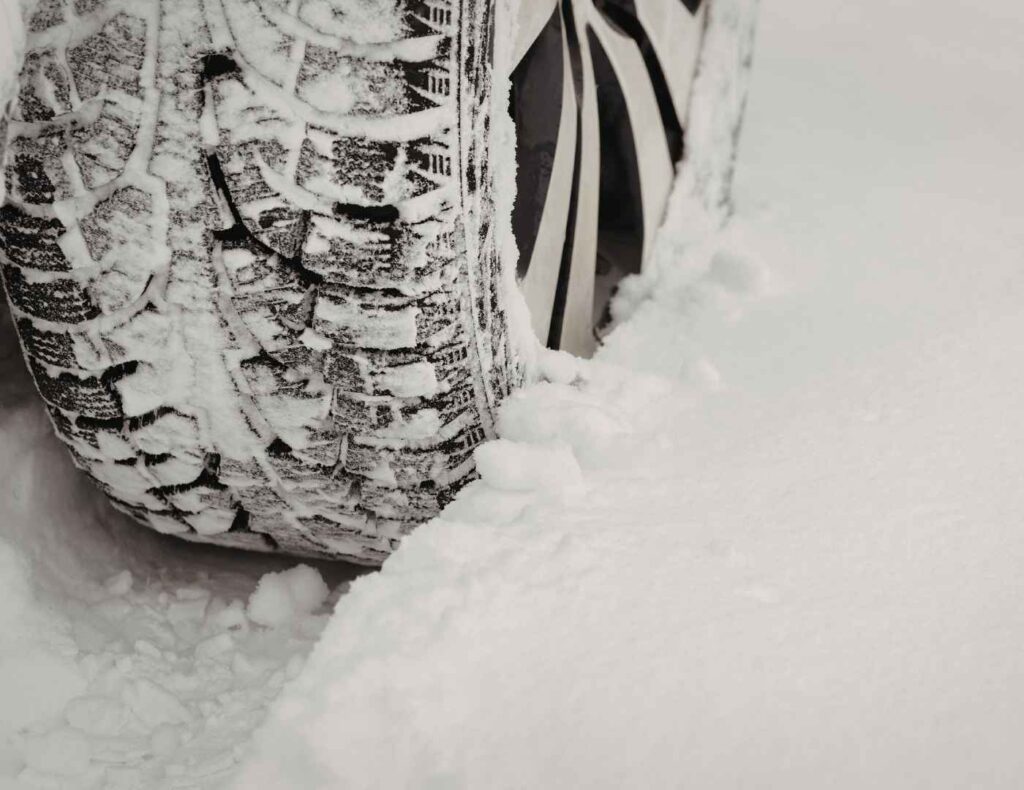
What Happens When Winter Tires Are Stored Incorrectly
Material Degradation and Performance Loss
Winter tires rely on flexible rubber to grip cold, icy surfaces. Exposure to heat, sunlight, and oxygen during storage accelerates oxidation, causing the rubber to harden and crack. Once elasticity is lost, traction diminishes—even if tread depth appears acceptable.
Improper storage can also deform tire shape. Flat spots develop when tires are left under constant pressure in one position for extended periods. This deformation can lead to vibration, uneven wear, and compromised handling when the tires are reinstalled.
Safety and Financial Implications
A winter tire that looks intact but has lost compound integrity is deceptively dangerous. Reduced grip increases stopping distances and reduces control on snow-covered roads. From a financial standpoint, poor storage shortens tire lifespan, forcing premature replacement and unnecessary expense.
Preparing Winter Tires for Storage
Cleaning and Inspection Before Storage
Before storing winter tires, thorough cleaning is essential. Road salt, brake dust, and grime cling to tire surfaces and can accelerate corrosion, especially on mounted rims. Washing tires with mild soap and water removes these contaminants and prevents chemical degradation during storage.
Inspection follows cleaning. Tread depth should be measured, sidewalls examined for cracks or bulges, and overall condition assessed. Identifying damage early prevents surprises when winter returns.
Marking Tire Positions and Assessing Wear Patterns
Marking each tire’s previous position—front left, front right, rear left, rear right—simplifies rotation planning for the next season. This small step promotes even wear and extends tire longevity.
Uneven wear patterns may indicate alignment or suspension issues. Addressing these problems before the next winter season ensures optimal tire performance and handling.
Ideal Conditions for Winter Tire Storage
Temperature, Humidity, and Light Exposure
Winter tires should be stored in a cool, dry, and dark environment. Heat accelerates rubber aging, while moisture promotes corrosion on steel belts and rims. Direct sunlight, particularly ultraviolet radiation, breaks down rubber compounds rapidly.
Basements, climate-controlled garages, or professional storage facilities provide ideal conditions. Outdoor storage or unregulated sheds expose tires to damaging temperature fluctuations and humidity swings.
Vertical vs Horizontal Storage Considerations
Storage orientation depends on whether tires are mounted on rims. Tires on rims can be stacked horizontally without issue, while tires off rims should be stored vertically and rotated periodically to prevent deformation.
Avoid hanging tires by hooks through the rubber. This creates stress points and can permanently distort tire structure.
Storing Winter Tires on Rims vs Off Rims
Differences in Storage Methods
Tires mounted on rims are generally easier to store and reinstall. They are less susceptible to sidewall collapse and can be stacked safely. However, rims must be clean and dry to prevent corrosion.
Tires stored off rims require more care. Vertical storage with periodic rotation prevents flat spotting. Protective tire bags reduce exposure to air and moisture, slowing oxidation.
Common Mistakes to Avoid
Placing tires near furnaces, water heaters, or electric motors exposes them to heat and ozone, both of which accelerate rubber degradation. Storing tires near chemicals, solvents, or petroleum products also compromises rubber integrity.
Winter Tire Storage Challenges in Richmond Hill
Space Limitations and Seasonal Transitions
Urban living often limits storage space. Condominiums and townhomes may lack garages or suitable basements, making home storage difficult. As seasons change rapidly in Richmond Hill, drivers need storage solutions that accommodate timely tire swaps without logistical stress.
Protecting Tires from Moisture and Temperature Swings
Richmond Hill’s fluctuating spring and fall temperatures pose a challenge. Warm days followed by cold nights create condensation, increasing moisture exposure. Properly sealed storage environments reduce this risk and preserve tire condition.
Professional Winter Tire Storage vs Home Storage
Professional tire storage services offer climate-controlled environments specifically designed to preserve tire integrity. Tires are stored at optimal temperatures, protected from light, moisture, and contaminants. This eliminates concerns about space, improper conditions, or handling damage.
Home storage can be effective if conditions are ideal and precautions are followed meticulously. However, for many drivers, professional storage provides peace of mind and consistent results season after season.
How Proper Storage Extends Tire Life and Performance
Correct winter tire storage slows the natural aging process of rubber compounds. Tires retain flexibility, grip, and structural stability longer. This results in better traction, quieter rides, and predictable handling when winter driving resumes.
Proper storage also ensures even wear, reduces the risk of flat spots, and preserves rim condition. Over time, these benefits translate into fewer replacements and more confident winter driving.
Conclusion: Protecting Your Investment Until the Next Winter
Winter tires are a seasonal necessity, but their performance depends heavily on off-season care. Proper winter tire storage protects against environmental damage, preserves safety, and maximizes value.
In Richmond Hill’s demanding climate, thoughtful storage practices ensure that when winter returns, your tires are ready. Clean, intact, and dependable. Stored correctly, winter tires reward drivers with reliable traction, controlled handling, and peace of mind—exactly when it matters most.